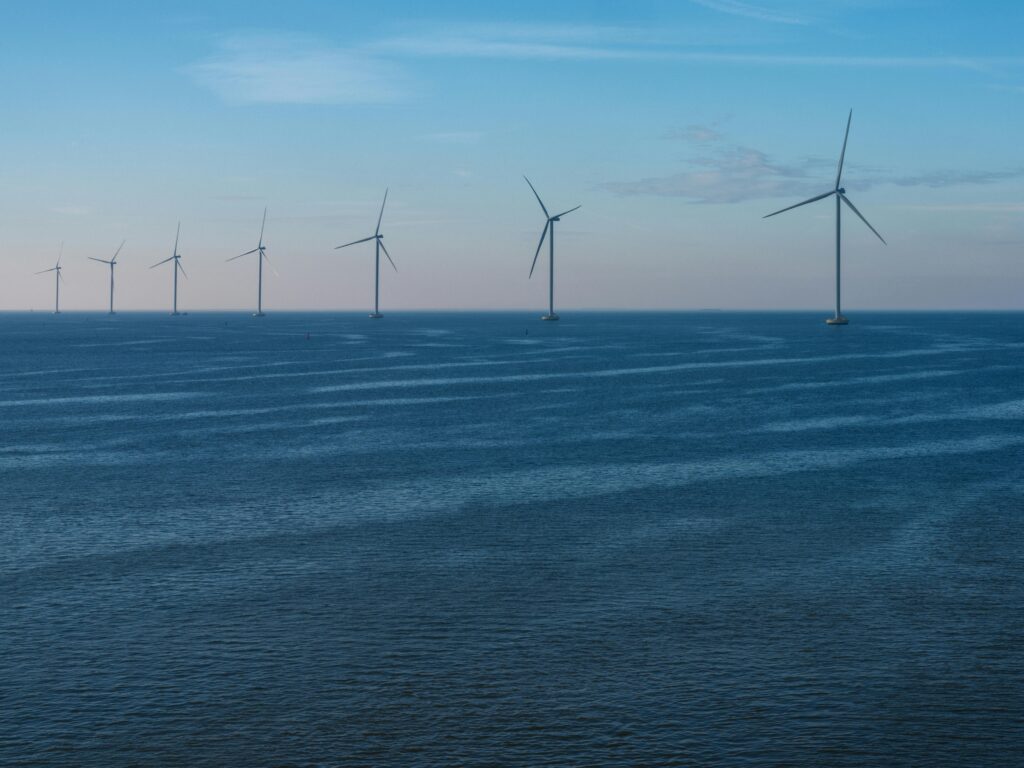

Scotland’s net zero economy is now contributing £10.2 billion in gross value added and supporting more than 105,000 jobs, equivalent to 4.9% of total Scottish economic output and more than double the contribution of agriculture, according to research carried out by CBI Economics for the Energy and Climate Intelligence Unit (ECIU) and reported by the BBC on Monday.
The Scotland figures sit inside a UK-wide CBI Economics / Data City study which the ECIU published in February 2025 putting the UK net zero economy at £83.1 billion GVA and 951,000 full-time-equivalent jobs across 22,800 businesses. Scotland’s share — 4.9% of national output versus the UK figure of 3.3% — is the line CBI Economics is drawing attention to: the net zero economy is proportionally larger here than across the UK as a whole.
Regional concentration sits outside Aberdeen
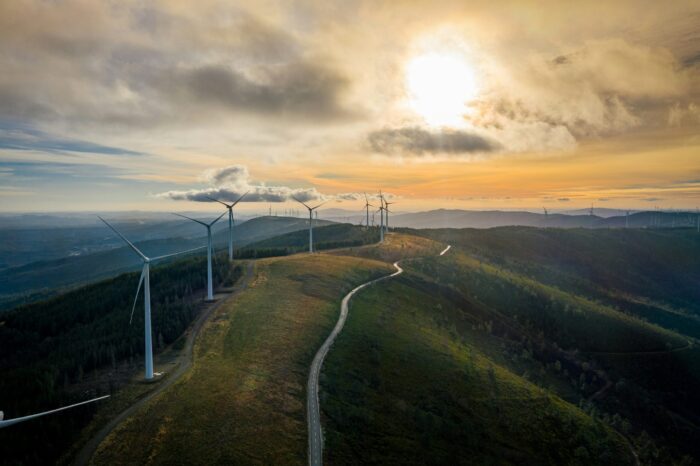
The geographic finding is the one most likely to land awkwardly in the north-east. The BBC reports that Perth and Kinross, not Aberdeen, is the local-authority area where the net zero sector represents the largest share of the local economy — 12% — anchored on long-established hydropower schemes and newer onshore wind projects including the Griffin Scheme near Aberfeldy.
Aberdeen and the wider north-east are named as a significant contributor through offshore wind, hydrogen production and carbon capture and storage, and East Lothian is flagged for electricity transmission infrastructure alongside specialist manufacturing and fabrication work. But the area where 1,000 oil and gas jobs are being lost every month, on the BBC’s framing, is not yet the area where the green sector is producing the largest proportional offset.
That gap matters for any read on transition risk. The CBI Economics figures describe a Scotland-wide net zero sector that is large and growing — but the regional distribution of jobs and GVA is not tracking one-for-one against where hydrocarbon employment is contracting.
Sector composition and pay
Scotland is home to more than 3,000 businesses inside the net zero economy on the CBI Economics definition, predominantly small and medium-sized enterprises, with average salaries of £41,000 — 5.2% above the Scottish average wage. The same dataset puts Scotland’s projected investment pipeline for net zero projects at £211 billion, roughly 34% of the UK total — a disproportionately large share against population or GDP weight.
Laura Anderson, senior associate at the ECIU, told the BBC the sector “is a robust economy that is integrated into various regions” and that “clean energy is expanding across the UK, and Scotland is exceeding expectations.”
The BBC also quotes Josh King, director of Musselburgh-based renewable installer Gensource, on the demand pull from energy price volatility: “We have price volatility, which ultimately increases demand as people seek lower costs and predictability in their bills. Renewables can help provide that stability.” Gensource, founded four years ago by two people in a home office, now employs 20 staff including two apprentices.
Why the headline numbers come with caveats
Two things are worth flagging for anyone using these figures in commercial planning or policy work.
First, the £10.2bn / 105,000 / 4.9% figures come from CBI Economics’ Scotland breakdown commissioned by the ECIU. The underlying UK-wide methodology — co-authored by CBI Economics and The Data City — sets the £83.1bn UK total at £28.8bn direct GVA plus £54.3bn from supply chain and wider economic activity, using a multiplier of £1.89 in the wider economy for every £1 generated directly. The Scotland headline includes the same wider-economy contribution, not just direct sector output.
Second, political response to the findings is already split. The BBC notes that opposition parties including the Conservatives and Reform UK contend the underlying net zero policies are financially untenable.
In Case You Missed It:
 CBI Scotland Calls on New Scottish Government to Make Growth ‘The Only Game in Town’
 Scotland Well-Placed to Capitalise as Energy Transition Investment Accelerates, Brodies Report Finds
 25,000 Jobs and £15bn at Stake as Scotland Faces Decommissioning Moment of Truth
 Palatine-backed Papilo buys Uddingston recycler REKK as the £60m circular economy roll-up plants its flag in Scotland
The CBI Economics research is the most detailed quantification of Scotland’s net zero economy published this year. For investors, infrastructure developers and local authorities, the regional table — Perth and Kinross at 12%, Aberdeen on offshore wind and hydrogen, East Lothian on transmission — is likely to be more useful than the headline £10.2bn figure, because it indicates where capacity, supply chain and skills are already concentrated.