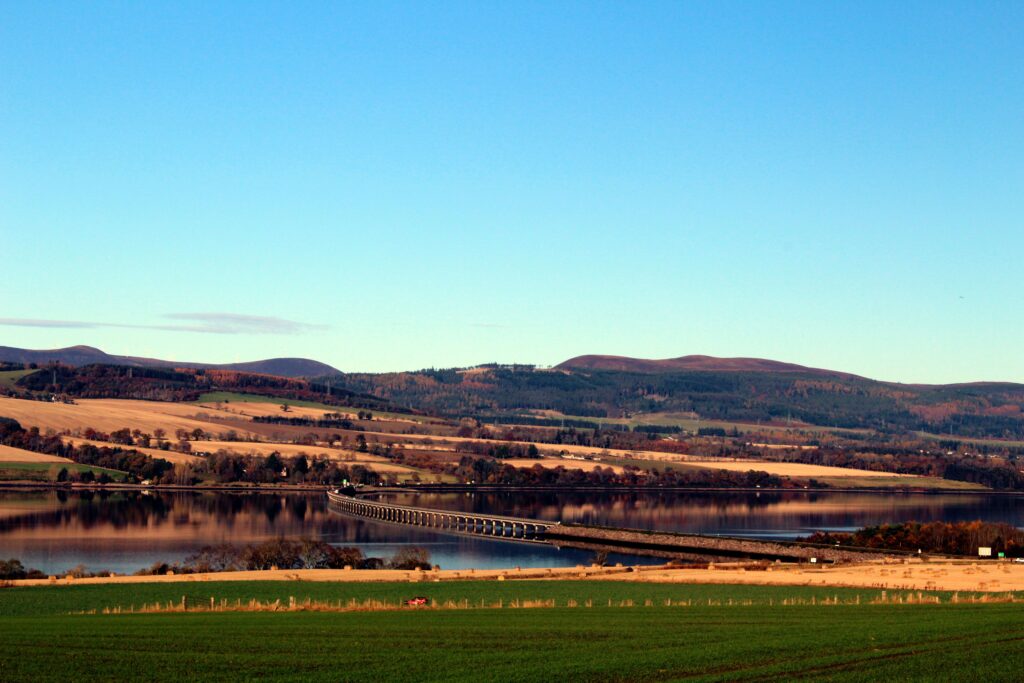

The stretch of coast around the Cromarty and Moray firths has become the focal point for one of Scotland’s largest concentrations of offshore-wind supply-chain investment, anchored by the Inverness and Cromarty Firth Green Freeport. The ambition is to turn a region long associated with oil-and-gas fabrication into a manufacturing and deployment base for the offshore-wind industry, capturing supply-chain activity that has often flowed overseas.
The clearest signal of that shift is Sumitomo Electric’s decision to build a high-voltage cable factory near the Port of Nigg in Easter Ross. The company plans an estimated £350 million inward investment, supported by up to £24.5 million in public-sector backing from the Scottish Government, Highlands and Islands Enterprise and Scottish Enterprise, and expects to create around 330 jobs in Scotland over ten years. The Green Freeport designation was cited as a key factor in the company’s decision to invest in the Highlands.
Alongside the manufacturing play sits the deployment infrastructure. Ardersier Port on the Moray Firth has secured a total of £400 million for new facilities, including a further £100 million co-financed by the Scottish National Investment Bank and the UK Infrastructure Bank — the first project the two banks have backed together since formalising their working relationship. The owner, Haventus, says the completed 450-acre site will be capable of hosting gigawatt-scale projects and will re-establish the port as a major local employer.
In Case You Missed It:



What ties these projects together is the institutional architecture around them: the Green Freeport, the two national investment banks, and the enterprise agencies are all pointing capital at the same corridor. For anyone tracking Scottish growth, the question is no longer whether the Highlands can attract offshore-wind investment but whether the region can convert these commitments into a durable, self-sustaining supply chain once the initial public backing has done its work.