



Summary
- The National Wealth Fund is taking equity stakes alongside Matrix Renewables UK in battery storage projects at Eccles and Kilmarnock.
- The two projects will have a combined power capacity of 1 GW and energy storage capacity of 2 GWh.
- The projects are expected to create or support more than 200 jobs across construction and operation.
Full Article
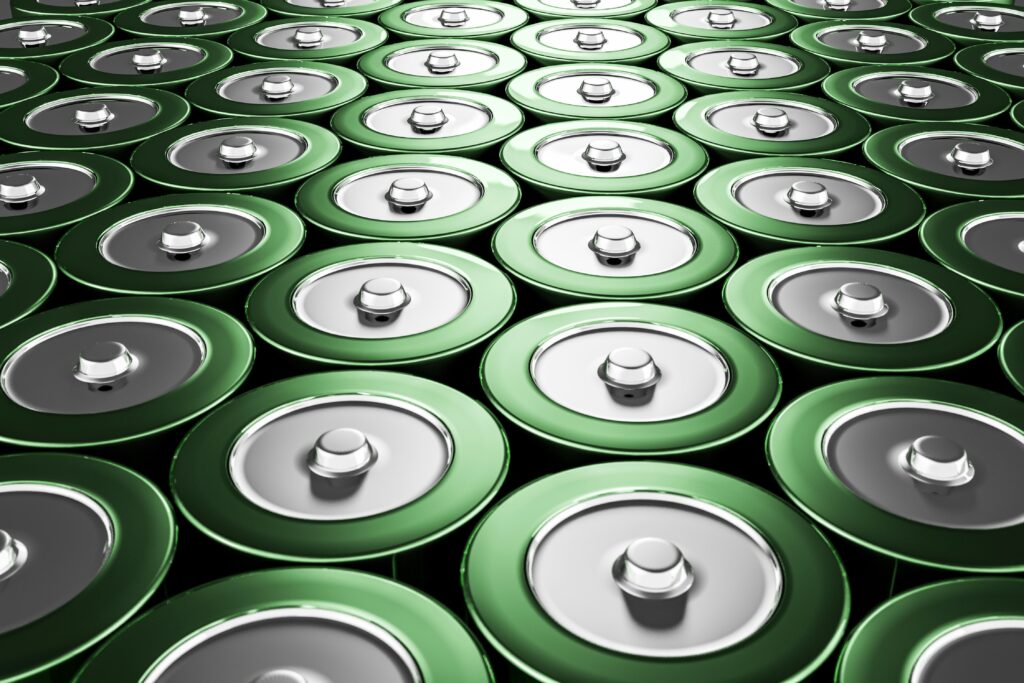
The National Wealth Fund is investing alongside Matrix Renewables UK in two battery storage projects at Eccles and Kilmarnock. Matrix will retain a majority stake in each project, and the fund did not disclose the size of its investment.
Together, the two sites will provide 1 GW of power capacity and 2 GWh of energy storage. Both are on transmission corridors between Scotland and England, where the batteries are intended to help manage constraints on the electricity network and allow more renewable power to be used.
Construction is already under way at Eccles, where commercial operations are expected to start in October 2027. Construction at Kilmarnock is expected to begin in December 2026, with commercial operations targeted for September 2028.
In Case You Missed It:
 Construction to begin on 400MW Hunterston battery storage project after financial close
 Edinburgh secures £38.4m National Wealth Fund loan to unlock Granton Waterfront homes
 Astoriom acquires Glasgow-based UK operations of sample storage provider Sampled
 Astoriom acquires Glasgow-based UK operations of sample storage provider Sampled
The projects are expected to create or support more than 200 jobs across their construction and operation. They are Matrix Renewables’ first investments in the UK, and the company plans further UK investment in power generation and storage.
Oliver Holbourn, chief executive of the National Wealth Fund, said: “Battery storage is critical to building a cleaner, more secure and more flexible energy system. By investing alongside Matrix Renewables, the National Wealth Fund is helping unlock two nationally significant projects that will store more renewable power, strengthen the grid between Scotland and England, and support hundreds of jobs.”