


Summary
- Scotland’s renewable energy industry supported an estimated 49,200 full-time equivalent jobs and £14.9bn of economic output in 2024.
- The employment figure includes direct activity, supply chains and activity supported by workers spending their wages.
- Offshore wind supported the largest estimated employment total, followed by onshore wind.
- Researchers caution against using the figures to claim year-on-year growth or comparing them directly with previous report editions.
Full Article
Scotland’s renewable energy industry supported an estimated 49,200 full-time equivalent jobs and £14.9bn of economic output in 2024, research by the University of Strathclyde’s Fraser of Allander Institute has found. The report was commissioned by Scottish Renewables.
The employment estimate covers the industry’s direct activity, its supply chains and activity supported by workers spending their wages across Scotland. It is not a count of people employed directly by renewable energy companies.
One full-time equivalent job represents one full-time employee working for a year, or an equivalent combination of part-time employment, rather than individual headcount.
The research also estimates that renewables supported £5.1bn of gross value added in 2024. Output measures the value of goods and services produced, while GVA deducts inputs used in production; the two measures should not be added together.
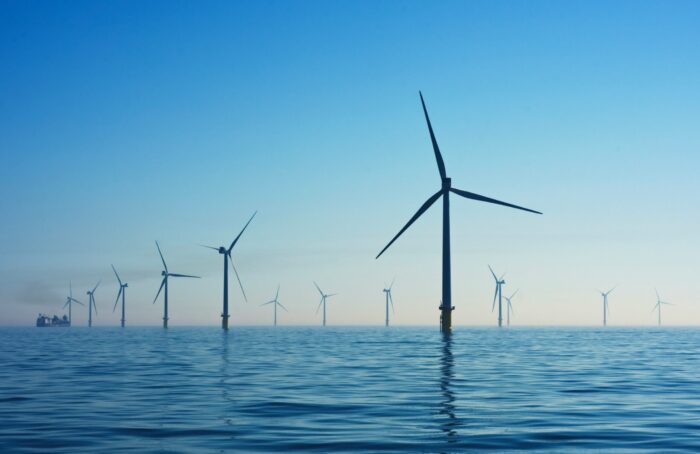
Offshore wind supported the largest estimated employment total among individual renewable technologies, at 18,800 FTE jobs. Onshore wind supported 17,825, followed by hydropower with 4,100 and renewable heat with 3,025.
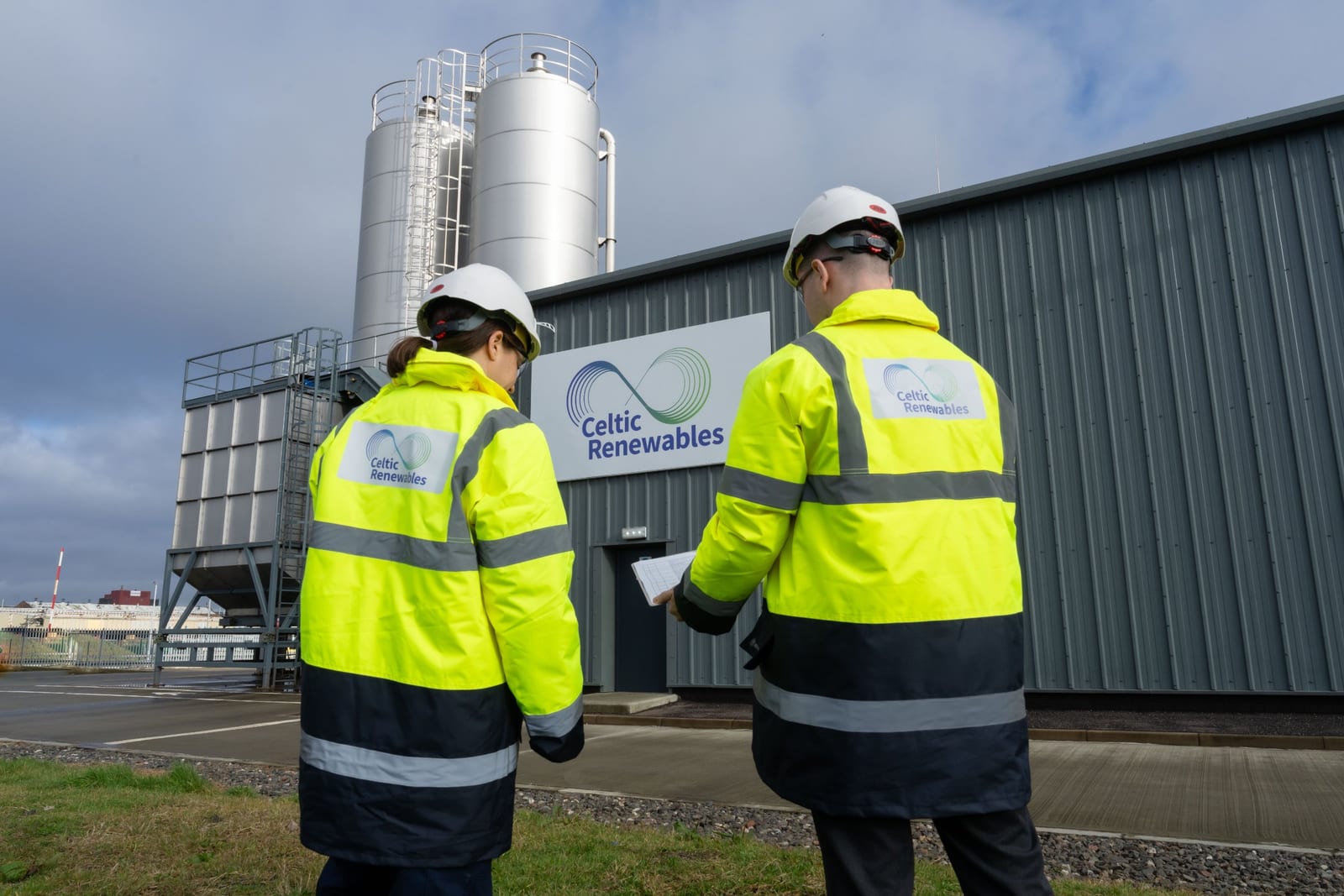
Angela Hepworth, chief executive of Scottish Renewables, said: “Scotland’s renewable energy industry is a major engine of economic growth, supporting nearly 50,000 jobs and generating almost £15 billion of output. From construction to operation and maintenance, it supports businesses, livelihoods and communities across the country.”
In its announcement ahead of the 28 October Autumn Budget, Scottish Renewables called on the UK Government to remove investment barriers and back Scotland’s project pipeline. It also urged the Scottish Government to speed up planning decisions.
Researchers combined the Office for National Statistics’ Low Carbon and Renewable Energy Economy survey with a model using the Scottish Government’s 2022 input-output tables. Renewable energy is not separately identified in the National Accounts, and UK industry proportions were used to allocate Scottish activity because recent Scotland-specific detail was unavailable.
In Case You Missed It:
 Scottish businesses report stronger optimism about their own trading prospects
 Scottish firms using AI report efficiency gains, NatWest research finds
 Scottish financial services jobs up 15% since 2023, sector adds £3.4bn in GVA
 Scottish offshore wind jobs and investment “at risk” from UK energy plan, industry signatories warn
The report covers 2023 and 2024, but differences between the two sets of estimates should not be treated as confirmed growth or decline. Survey uncertainty, revisions to official data and the updated model also mean the results should not be compared directly with previous editions.
Stuart McIntyre, professor of economics and head of the economics department at the University of Strathclyde, said: “Improving the availability of Scotland-specific data will be essential to understanding the sector’s contribution and ensuring that future policy and investment decisions are informed by robust evidence.”