




Summary
- The National Manufacturing Institute Scotland has modelled how Slipform Engineering’s proposed factory at Kishorn could operate.
- The factory is designed to produce up to 36 concrete foundations for floating offshore wind turbines a year.
- A separate demonstration and training facility at Hunterston is scheduled to open in January 2027.
Full Article
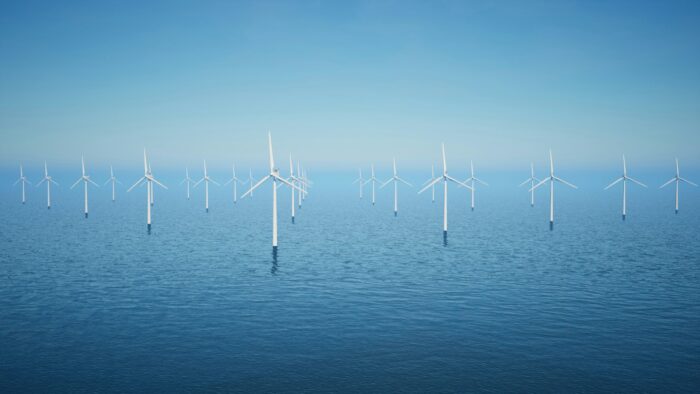
Engineers have modelled how a proposed factory at Kishorn in the Highlands could produce up to 36 concrete foundations for floating offshore wind turbines each year. The work assessed how much the plant could produce, what it might cost to run and how many people it might need, ahead of major investment decisions.
Slipform Engineering is proposing the factory, known as Slip4Wind. At the proposed production rate, a year’s output could support more than 500 MW of offshore wind capacity. Each foundation would weigh about 20,000 tonnes, making it difficult and costly to move around the site during production.
To avoid having to move the foundations during manufacturing, Slipform proposes keeping them in place and using a gantry to move the equipment around them. Once complete, the foundations could be transferred directly into the water.
Engineers at the National Manufacturing Institute Scotland (NMIS) modelled different staffing levels and shift patterns. They identified potential bottlenecks and ways to improve efficiency, including more flexible working arrangements and training staff to carry out different roles.
The Offshore Wind Growth Partnership funded the work through its SmartStart Manufacturing Programme. NMIS also drew up a phased plan covering infrastructure, investment, regulatory requirements and workforce development to inform future talks with investors and offshore wind developers.
In Case You Missed It:




Eamon Hanley, founder and managing director of Slipform Engineering, said: “The modelling has given us greater confidence in what we can achieve at Kishorn, while identifying practical improvements that we can incorporate into the factory’s development.”
Work is already under way on a separate demonstration, research and training facility at Hunterston in North Ayrshire. It is scheduled to open in January 2027 and will allow Slipform to test a smaller version of the gantry, trial different concrete materials and develop skills for potential production at Kishorn.