
Summary
- University of Strathclyde researchers will test whether carbon materials made from methane-rich gases can be used in battery anodes.
- Glasgow spinout Entropyst aims to develop a UK-made alternative to imported graphite.
- The project is one of 15 feasibility studies sharing £6.2m through the Battery Innovation Programme.
Full Article
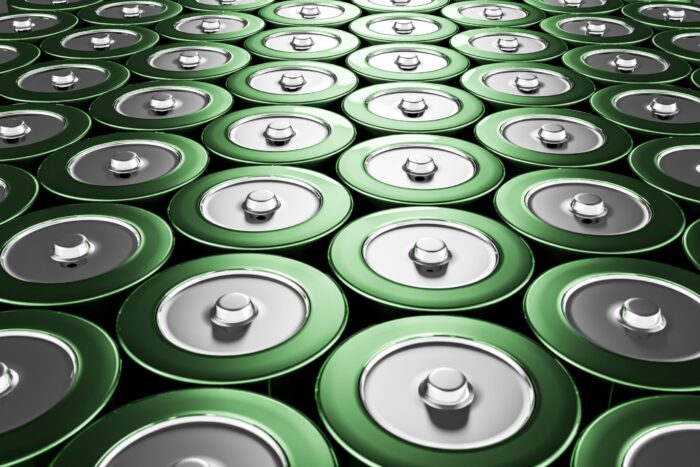
The University of Strathclyde will work with Glasgow spinout Entropyst to find out whether carbon materials made from methane-rich gases can be used in battery anodes. Entropyst aims to develop a UK-made alternative to imported graphite, but the materials still need to be tested for that use.
Entropyst spun out of Strathclyde in January 2025. It uses a process powered by renewable electricity to turn methane-rich gases into carbon materials and hydrogen. The company is developing several types of carbon material for anodes, including graphite, carbon nanotubes and graphene nanoplatelets.
In Case You Missed It:
 iGii secures £22.7 million for advanced materials development
 Engineers test plans for floating wind factory at Kishorn
 SNIB commits £50m to CIP’s Devilla as Scottish public capital deepens its role in UK battery build-out
 Construction to begin on 400MW Hunterston battery storage project after financial close
Researchers at Strathclyde’s Incubator for Green Hydrogen Technologies will analyse Entropyst’s materials and use electrochemical tests to assess whether they are suitable for battery anodes. The project, called GAS-ANODE, is one of 15 feasibility studies sharing £6.2m through the Battery Innovation Programme, delivered by Innovate UK. Strathclyde did not specify how much of that funding went to GAS-ANODE.
Dr Edward Brightman, a senior lecturer in chemical and process engineering at Strathclyde, said: “Success would not only create value from methane-rich gases but could also help strengthen the UK’s battery materials supply chain and support the transition to a low-carbon economy.”