
Scotland’s shellfish farming industry is on a sustained growth trajectory, with the latest official data showing record mussel output, rising oyster production and an 8% jump in sector value — adding fresh evidence that Scottish aquaculture is one of the country’s most consistent rural growth stories.
The Scottish Shellfish Farm Production Survey 2025, published today by the Scottish Government, records first sale value across the sector at £15.1 million — up 8% on 2024, continuing a strong multi-year upward trend in commercial returns from Scottish coastal waters.
Record output across key species
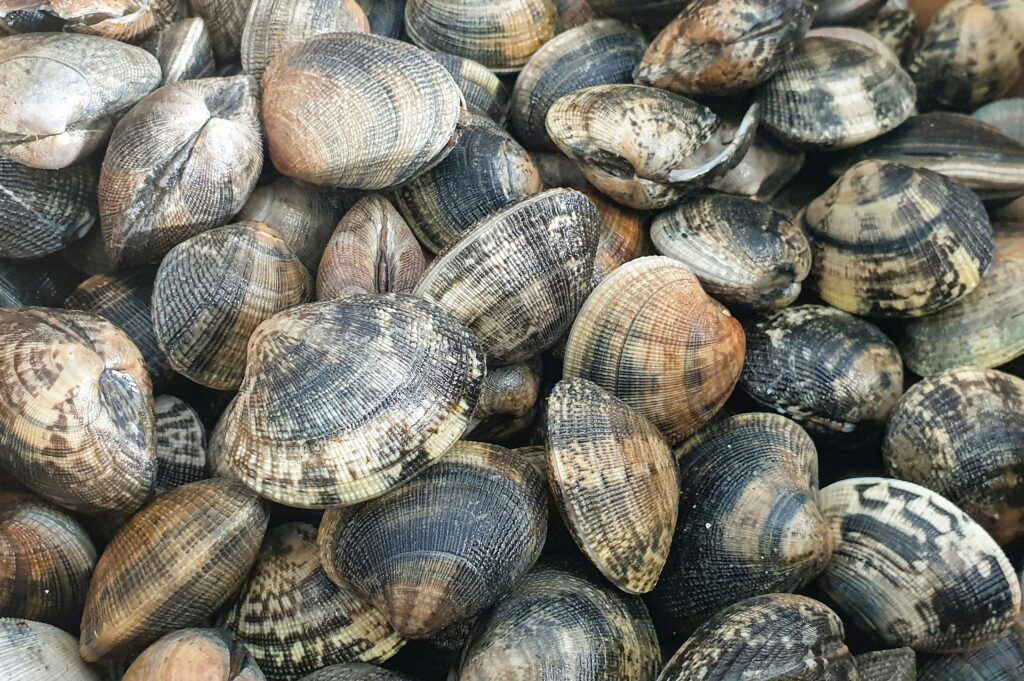
Common mussel production reached 12,303 tonnes in 2025 — the highest level ever recorded in Scotland and a 5% rise on the previous year’s 11,690 tonnes. Pacific oyster production also rose 5% year-on-year to 2.5 million shells for the table market.
A sector punching above its weight
The £15.1 million first sale value of shellfish farming sits within Scotland’s broader aquaculture story — a sector where Scotland dominates UK production. Scottish salmon alone now contributes nearly £1 billion annually to the national economy, supporting around 11,000 jobs. Shellfish farming, while smaller in absolute terms, plays a structurally important role in rural and coastal economies — particularly in areas where few alternative growth industries exist.
The workforce paradox
The one notable headwind in today’s data is employment. The sector employed 227 full-time, part-time and casual staff in 2025 — a 6% decrease on the previous year. That means production and value are growing while the workforce is shrinking — a dynamic that points either to improving productivity and operational efficiency, or to structural labour challenges that could constrain future scaling.
The growth case
In Case You Missed It:


For businesses and investors looking at Scotland’s food and drink growth sectors, shellfish farming presents a compelling profile: rising consumer demand, premium positioning in domestic and export markets, and strong natural competitive advantage in Scottish coastal waters. The challenge will be ensuring that the workforce infrastructure — and the rural communities that depend on this sector — grow in step with production volumes.
The Scottish Shellfish Farm Production Survey 2025 is an Official Statistics publication produced by the Scottish Government.